Blog · Published September 23, 2024 · 5 min read
Water Scarcity Drives Up Costs for Catalan Industries
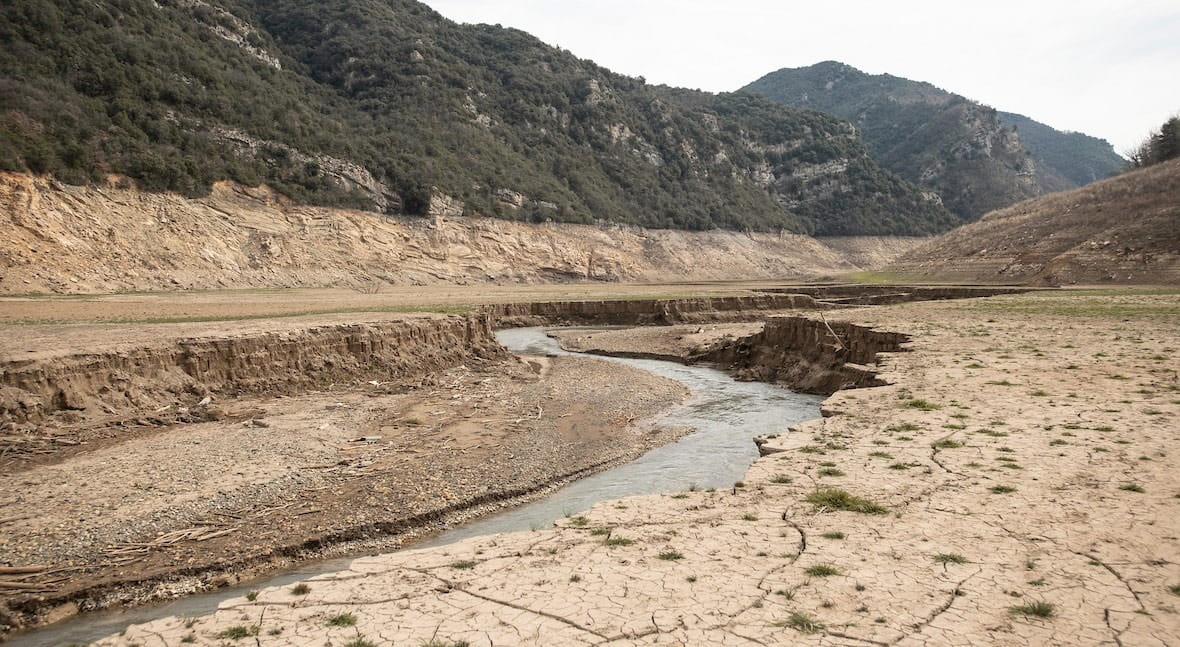
Catalonia is feeling the heat from climate change, and it's forcing rapid changes to the way water is managed. The region, with a long history of enduring droughts, has faced an unprecedented water crisis since 2021. Let's explore how Catalonia is responding to these challenges through water conservation, desalination, and reuse.
Climate Change Forces Catalonia to Adapt Rapidly
In only three years, Catalonia’s sources of water have changed significantly. Although Catalonia is one of Spain’s most drought-adapted regions, the historic drought that began in 2021 forced rapid adaptation due to climate change.
In April 2021, before the drought, rivers provided 63% of Barcelona’s drinking water, wells provided 34% and desalination just 3%. Climate change and economic growth have made these natural sources exhausted and unstable. Three years later in 2024, desalination and wastewater reuse make up more than half of the water supply.
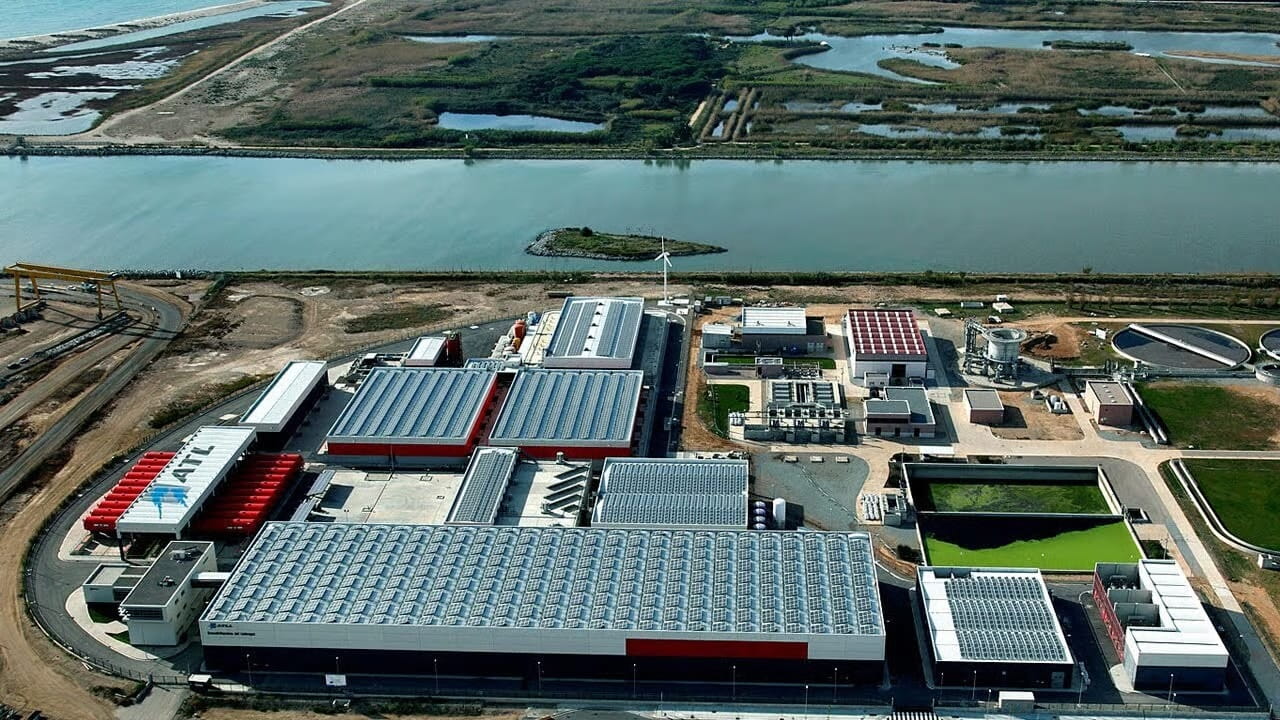
Barcelona now hosts Europe’s largest desalination plant outputting 200 million litres of water a day, and more will be built along the Costa Brava. Water reuse is also increasingly endorsed, with newly built or heavily renovated buildings now being required to recycle their grey water for use in cisterns. Authorities also decided to lower the water pressure in several municipalities to save even more.
Despite this costly, new infrastructure, Catalonia suffered significant restrictions and losses in 2024 and 2023.
The Heavy Toll of Drought
Catalonia is not in the clear yet. Despite this new, powerful infrastructure, most municipalities the region entered the state of drought emergency in February, twelve municipalities even reaching phase II of emergency measures. Rainfall in August provided some relief, avoiding the worst restrictions, but reservoir levels remain low.
As part of drought emergency response in 2024, measures taken by the local government for the Ter Llobregat system include a 25% cut of water provision to industry and recreational facilities, 50% in stock keeping, and 80% in the agricultural sector. Companies that fail to comply with these restrictions face fines of up to €150,000, with the first penalties already issued.
Drought and restrictions led to significant losses in key products such as wine where harvest losses increased each year since the beginning of the drought, with average losses of 5-10% in 2021, 25-50% in 2022, and 50-70% in the 2023 growing season.
In 2023, the agricultural insurance compensation for farmers in Catalonia reached €110 million and €1.24 billion across Spain.
Not only has climate change incurred water restrictions under strict penalties for the business sector, but the cost of water is also rising.
25% water supply cut for industry in Catalonia
As part of drought emergency response in 2024
Passing On the Increased Cost of Water
Historically, Spain has significantly lower water tariffs compared to other European Nations, at 45% below the European average for urban supply.
However, building alternative infrastructure comes with significant costs. Millions have been invested in desalination plants, with maintenance costs also in the millions, and billions more planned to ensure water security in the coming years. Additionally, purifying seawater requires more energy than simply extracting from freshwater systems. These costs are now being transferred to the industry.
In October 2023, Catalonia's largest water utility, Ens d'Abastament d'Aigua Ter-Llobregat (ATL), approved a tariff review for a 33% increase after a six-year price freeze. The utility cited rising energy costs and drought adaptation expenses as key factors behind the decision.
The trend to pass on the increased cost of water is not limited to Catalonia. Málaga will increase water bills by an average of 33% by 2024 following a seven year price freeze, with further price increases planned for 2026 and 2028. The public water operator of the city of Seville, Emasesa, will increase the cost of water by 15-18% by 2025 due to drought.
33% water cost increase proposed
by Ens d'Abastament d'Aigua Ter-Llobregat (ATL)
Recycling – Key to Cost Control and Business Continuity
For businesses, water recycling is not only a solution to avoid rising costs and potential supply cuts, but it's also the financially sound decision. Technology for locally purifying wastewater from industrial processes, cleaning, or office spaces has existed for decades and is now quickly being developed even further due to the global water crisis.
Modern industrial-grade water recycling systems can achieve reuse rates of over 90% – creating nearly circular systems. Recycled water can be used for cleaning, irrigation, and even industrial processes, and lead to significant cost savings of up to 85% on both freshwater and wastewater bills.
Why Caskade
Compare first.
Every site and effluent is different. And yet, manufacturer proposals are built to sell a standard solution, not to compare the options.
Caskade finds the optimal solution for each site and effluent, evaluating 5+ technology routes and 30+ manufacturers on one baseline.