Specialty chemicals & cosmetic ingredients
Specialty Chemicals & Cosmetic Ingredients: CIP Wastewater Treatment & Water Reuse
Batch plants making peptides, liposomes, and encapsulated actives generate concentrated CIP (clean-in-place) wastewater alongside large non-contact utility flows. Caskade compares treatment and reuse routes on one baseline, cooling tower makeup, early CIP rinses, and washdown first, before any vendor frames the project around a single technology.
40–60%
of site water intake sits in cooling and utilities, separate from the concentrated CIP stream that drives treatment sizing
BOD/COD ~0.5
typical for CIP-heavy wastewater. High strength but biodegradable once equalised, a strong fit for biological-first trains
Reuse in utilities
like cooling towers, early CIP rinses and washdown — the most defensible reuse loops
The starting point: surfactants, acids, bases, product residue and more
Here, water reuse means treating CIP wastewater on site and returning it to utility uses: cooling tower makeup, early CIP rinses, washdown, or irrigation. Although CIP water is high in COD (chemical oxygen demand), it is often biodegradable: biology first, then filtration or RO polishing. Reuse in formulation is phase two, after QA approval.
Utilities and cooling can dominate total intake, while the stream that needs treatment, CIP wash water from product-contact equipment, is smaller, concentrated, and batchy. It carries surfactants, oils, and acid/caustic loads, often with COD above discharge limits. Sites either haul it off as liquid waste or pay sewer surcharges. The first step is to separate CIP from cooling and sanitary flows, then compare treatment, haulage avoidance, and reuse value on one baseline.
Where this already shows up as a cost line
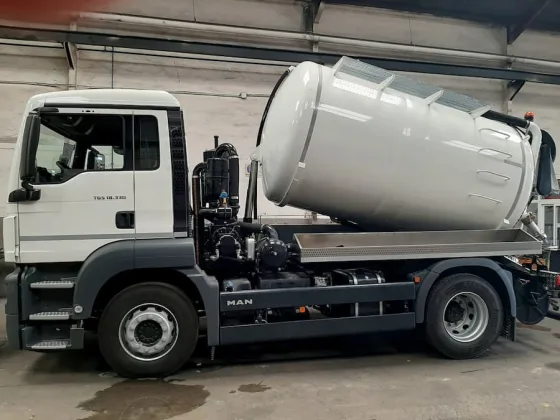
Tanker trucks for non-conforming CIP wastewater. When CIP wastewater fails discharge limits on COD, pH, or a flagged contaminant, the fallback is haulage. At tens of cubic metres a week this looks manageable invoice by invoice, but a recurring tanker contract for a mostly-biodegradable stream is usually the single most avoidable cost on site, and replacing it can be the entire business case before any reuse credit is counted.
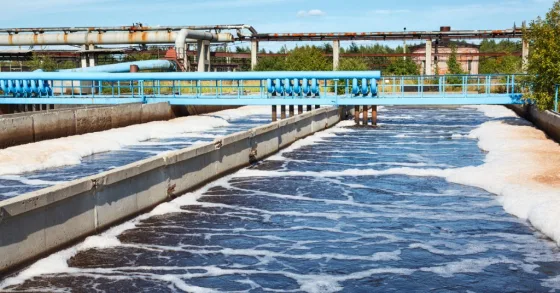
Sewer surcharges that add up quietly. Sites discharging to municipal sewer often pay trade effluent surcharges tied to COD, solids, or oils and grease above consent. These accumulate in the utility bill rather than showing up as one line, and they hit CIP-heavy batch plants harder than dilute continuous processes. Pretreatment that brings the stream back under consent removes the surcharge at the source.
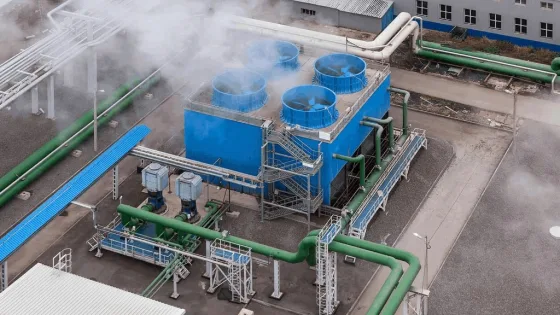
Cooling and utility costs as availability tightens. Utilities typically account for 40 to 60% of site water intake. In water-stressed regions, abstraction permits can tighten and utility water gets costlier. This is also where a treated CIP stream delivers the highest-volume reuse credit. Use your own water and sewer invoices as the reference point, not a regional projection.
Where to find the largest water flows?
1. Reaction/synthesis
5 to 10%
Batch reactors, fermentation
2. Purification
5 to 10%
Filtration, precipitation
3. Formulation
5 to 10%
Liposomes, emulsions
4. Encapsulation
5 to 15%
Coating actives
5. CIP & washdown
15 to 25%
Caustic/acid cleaning
6. Cooling & utilities
40 to 60%
Tower makeup, HVAC
Estimates for batch cosmetic-ingredient sites, not meter readings. Step 5 drives treatment design, step 6 drives reuse volume.
Treat wastewater for discharge compliance? Or reuse on-site?
Knowing which problem you're actually solving, compliance or reuse, should be the first step, not an afterthought:
- Are you paying for wastewater disposal because you're above discharge limits?
- Are you paying penalties because you're breaching discharge limits?
- Are you paying water bills in the tens of thousands of Euros per month?
Each of these premises comes with different economics and calls for a different technological solution.
Either way, regulators are converging on one direction regardless of jurisdiction: penalties for serious discharge breaches can now reach 3% of annual turnover (IED 2.0), and permits are tightening toward the lower end of what treatment technology can achieve.
| Loop | Volume impact | Feasibility |
|---|---|---|
| CIP to cooling tower makeup | High | Best flagship loop |
| CIP permeate to early CIP rinse | Medium | Needs QA validation |
| Treated water to washdown/irrigation | Low to medium | Straightforward |
| Cooling loop optimisation | High if once-through exists | Retrofit capex |
| Reuse into encapsulation utilities | Low to medium | Phase 2 |
| Clean permeate to formulation | Low | Phase 2 after core loop proven |
Treatment trains: It doesn't have to be distillation
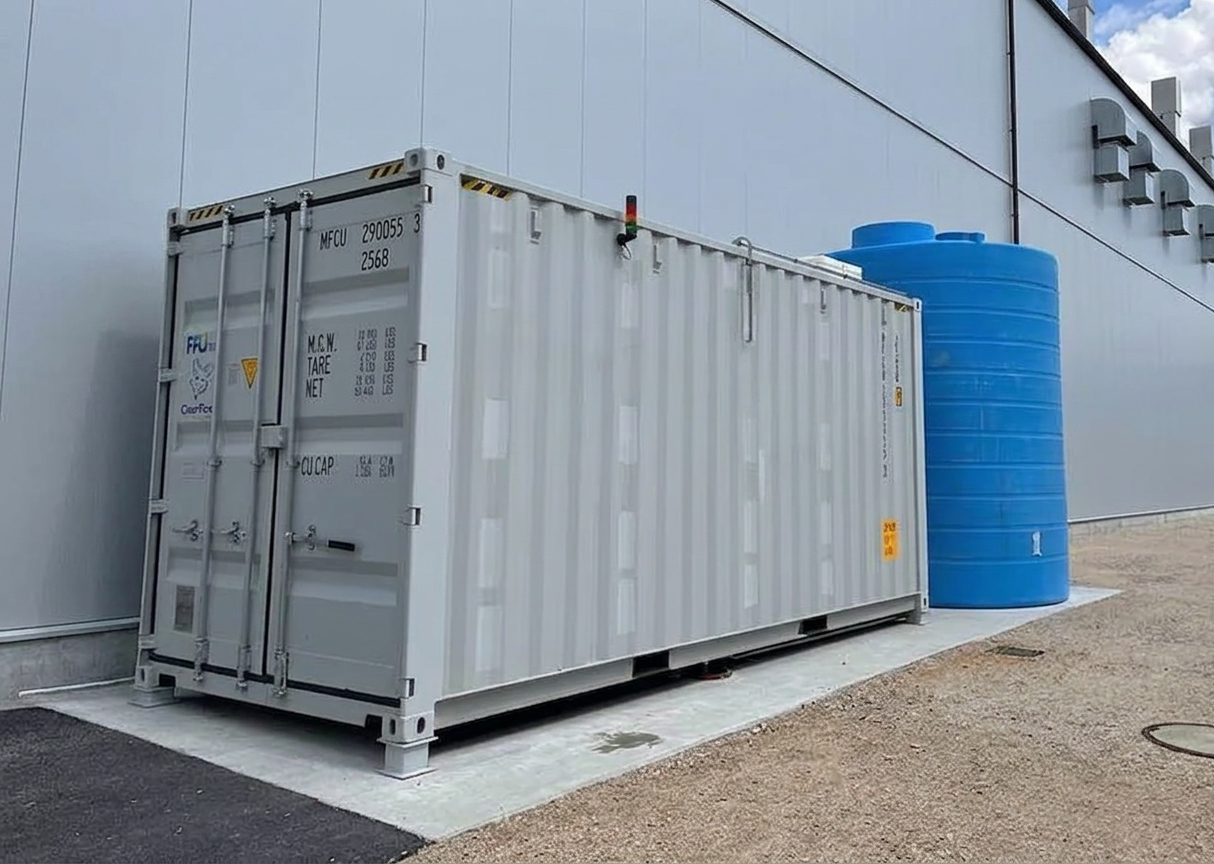
Existing pits or buffer tanks often serve as equalisation. Upstream steps: pH neutralisation, oil-and-grease removal (DAF or skimming), screening. Biology, MBBR, SBR, or FBBR, handles the high COD once equalised. a BOD5/COD ratio (biochemical oxygen demand to chemical oxygen demand) of 0.5 to 0.6 signals biology beats thermal treatment on cost. UF and RO polish the stream for cooling tower makeup or early CIP rinses. Containerised packaged plants suit most batch ingredient flows, especially where replacing tanker haulage is the driver. Distillation works but is usually a poor economic fit unless you need ultra-high purity for a phase-two use.
Equalise
Buffer tank
Pretreat
DAF / pH
Biology
MBBR / SBR / FBBR
Polish
UF / RO
L'Oréal closed the loop on water
L'Oréal's Waterloop concept is the clearest public reference. Its Burgos plant in Spain became the group's first Waterloop factory in 2017: mains water only for human consumption and product raw material, everything else (cleaning, steam, cooling) runs on water treated and looped on site. By 2024, over half of L'Oréal's industrial process water came from recycled sources, targeting 100% by 2030.
The scale doesn't transfer, but the sequencing does: utilities and cleaning water get reused first, product-contact water later, if at all. QA and regulatory teams approve reuse in cooling towers and early rinses long before formulation lines, so starting with utilities builds a track record before anyone asks for more. If your site currently hauls CIP water off site, the first milestone may just be zero haulage, with reuse layered on once treatment is proven stable.
Compare routes before a vendor frames the problem
One supplier pushes MBR, another leads with DAF, a third sizes everything for RO-first. Each can be partially right, but proposals aren't comparable unless they share the same flow split, load assumptions, and reuse targets.
01
Prioritise reuse targets
Rank cooling makeup, early CIP rinses, and washdown ahead of product-adjacent uses.
02
Compare treatment technologies
Evaluate biological-first treatment trains such as MBBR, SBR and FBBR on your effluent profile. The biology has to survive toxic elements, low pH, and shock loads.
03
Compare return on investment
Beyond just CAPEX, OPEX from operation & maintenance, energy consumption and consumables influence the ROI calculation.
04
Make an informed decision
Caskade helps you match your site parameters with the most suitable technologies and vendors, get indicative proposals and compare ROI and robustness in one document.
We do not sell treatment equipment. We compare relevant routes and OEMs on one framework, and are transparent that Caskade may receive a commission if a project proceeds. The Eval is comparative, not a pre-chosen technology with a justification built around it.
NEXT STEPS
The fastest and most reliable way to achieve water savings at your site
Data capture
NO SITE VISIT NEEDEDAnalysis of the site (available space, connection points), of the effluent (volume, quality and variability) and of the possible uses for reclaimed water.
The report
Technology comparison, indicative budgets from specialist manufacturers selected for your site, and a documented recommendation.
Selection
Report in hand, you begin the conversation with the manufacturer with full context on technologies and prices.
Installation
Lower mains water cost and wastewater management, regulations anticipated, lower risk from water restrictions.
Data capture
NO SITE VISIT NEEDEDAnalysis of the site (available space, connection points), of the effluent (volume, quality and variability) and of the possible uses for reclaimed water.
The report
Technology comparison, indicative budgets from specialist manufacturers selected for your site, and a documented recommendation.
Selection
Report in hand, you begin the conversation with the manufacturer with full context on technologies and prices.
Installation
Lower mains water cost and wastewater management, regulations anticipated, lower risk from water restrictions.
What you get
- •
3+ indicative proposals, sourced from a panel of 30+ specialist European manufacturers (filtered from 500+).
- •
A real comparison of returns and technologies.
- •
A documented recommendation you can defend. We put you in touch with the selected manufacturer.
- •
Regulatory context: which regulations apply to you.
Price
Free* if you can provide:
- •
Water bills or wastewater disposal invoices (for ROI calculations)
- •
Water quality lab reports (for equipment design)#
*Manufacturers pay. #If you don't yet have a lab analysis, we can arrange one for a fixed fee.
Let us help you do the calculation, based on specialised manufacturer proposals for your site
Send us your available water volume (m³/day or m³/month), water quality analysis reports if you have them, and a quick description of your process. We come back with the most lucrative treatment/reuse routes as well as real OEM proposals tailored to your site, with ROI and technological comparison.
FAQ
Frequently asked questions
Why treat CIP (clean-in-place) wastewater separately from cooling and utility water?
CIP water carries the surfactants, acids, and organic load that make discharge hard. Mixing it with clean utility flows dilutes the problem without solving it and inflates the treatment volume.
Tanker haulage or on-site treatment, which is cheaper?
For most sites running more than a couple of tanker collections a month, on-site treatment pays back within two to three years. The comparison needs your actual haulage invoices and flow data.
Can treated CIP wastewater go back into formulation?
Technically yes with UF/RO polishing, but almost no plant starts there. QA approves cooling towers and early rinses first. Formulation-grade reuse is a phase-two conversation.
What treatment technology fits cosmetic ingredient wastewater best?
For CIP streams with BOD5/COD (biochemical oxygen demand to chemical oxygen demand) ratio around 0.5 to 0.6, a biological-first train after pH equalisation and oil-and-grease removal usually beats thermal or membrane-only approaches on cost.
How much water goes to cooling versus cleaning?
Cooling and utilities often run 40 to 60% of intake, CIP and washdown closer to 15 to 25%. These are engineering estimates, confirm your own water balance before sizing anything.
Does Caskade sell treatment equipment?
No. We compare routes and OEMs on one framework and disclose that we may earn a commission if a project proceeds. The output is a comparison with a recommendation, not one vendor's proposal.