Tanker haulage & wastewater disposal

Tanker wastewater disposal: when treating it on site costs less than hauling it away

When you cannot discharge locally, hauling wastewater away by tanker works, but the bill never stops. Caskade compares what you pay today against treating it on site: for discharge, reuse, or hauling less. Three or more proposals from specialist manufacturers, not one vendor's pitch.

No ceiling

Tanker bills keep coming, per load, all year. Peak season often costs more than any single invoice suggests.

< 3 years

Typical payback when haulage is frequent or high-volume. Often faster than efficiency projects competing for the same budget.

3+ quotes

Indicative manufacturer proposals benchmarked against your haulage spend, not a brochure figure.

Why a cheaper tanker rate is the wrong fix

The question that actually matters is not who can haul this more cheaply, but what it would cost to stop hauling it at all, or to haul far less of it.

If you already pay a hauler, getting a better rate or a second quote is a reasonable instinct. Both can shave something off the invoice. Neither stops the cost from coming back every month, and it usually rises with fuel, landfill fees, and what the receiving plant charges.

The question that actually matters is not who can haul this more cheaply, but what it would cost to stop hauling it at all, or to haul far less of it.

Get an indicative comparison for your site

Free for qualifying projects. Typically ready a few weeks after we receive your hauling invoices and water data.

Where tanker and hauling costs actually show up

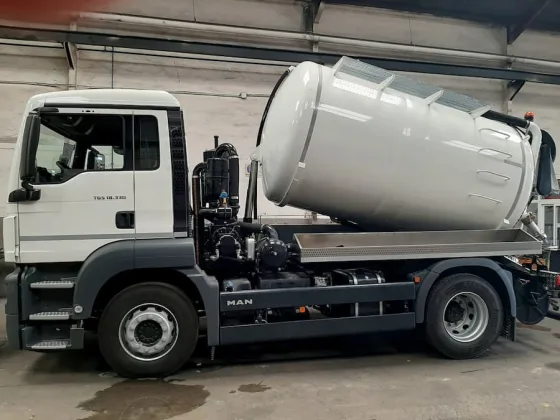
Vacuum tanker truck evacuating wastewater from an industrial site

Per-load or per-tonne hauling invoices. These rise with fuel and distance. In busy periods the annual total is usually higher than any single invoice suggests, and it rarely sits on one clean budget line.

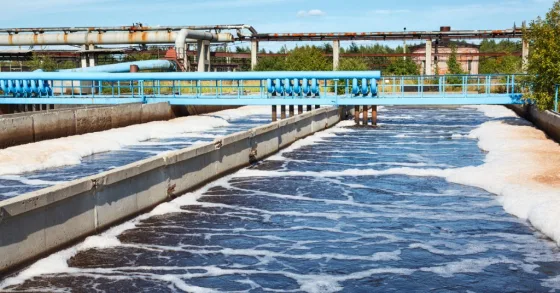
Industrial utility infrastructure at a manufacturing site

The cost of wastewater disposal may rise at any moment. When a landfill or treatment plant raises its charges, most haulage contracts pass at least part of that increase on to you at the next renewal.

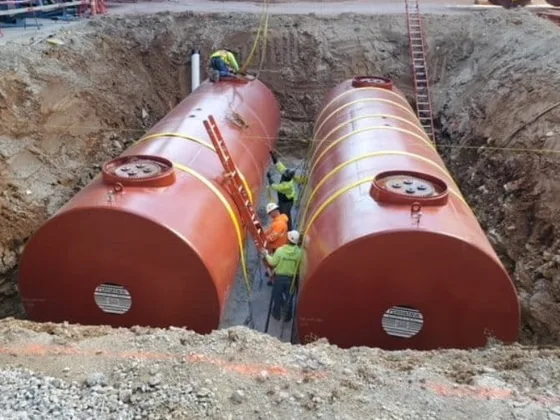
Underground wastewater storage tanks being installed at an industrial site

On-site storage and downtime risk. Sites without treatment need tank capacity while they wait for collection, and are exposed if a pickup is delayed, missed, or the hauler's capacity is full.

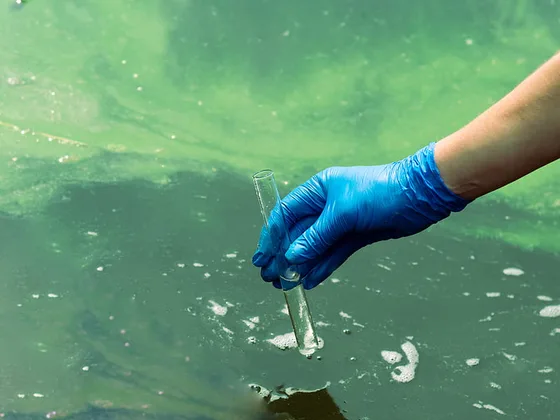
Gloved hand collecting a water sample from contaminated industrial wastewater

Waste-side compliance risk, separate from discharge. Storing or handling wastewater incorrectly carries its own regulatory risk, separate from any discharge permit.

What kind of wastewater ends up going by tanker?

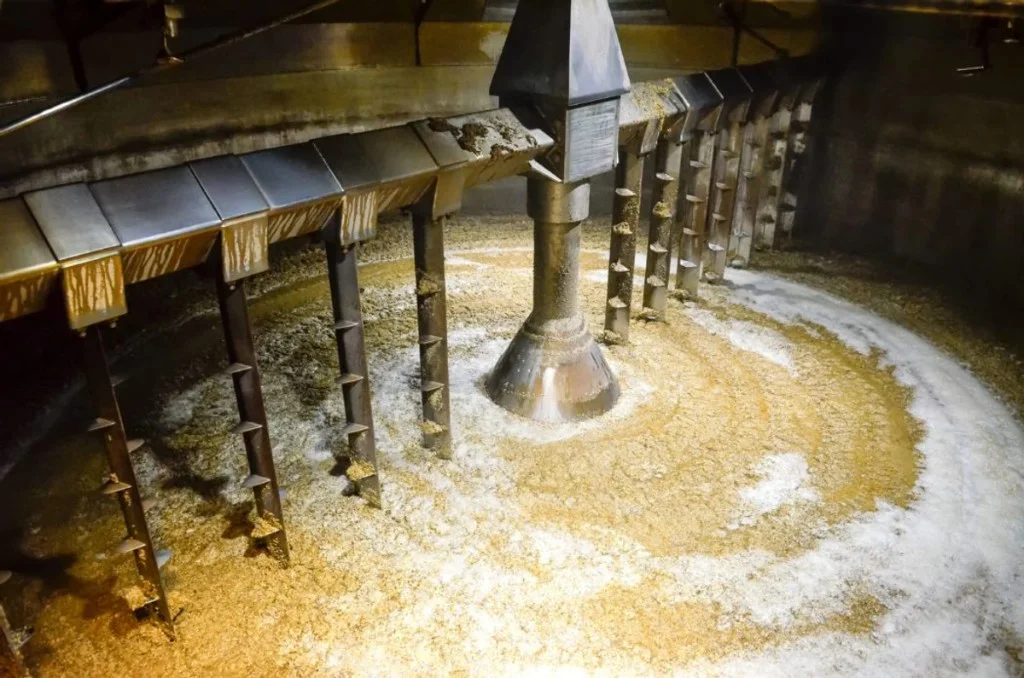
Food and beverage production with process wastewater

Strong cleaning or process wastewater

Wash-down and cleaning water that is too concentrated to discharge directly. Often the largest volume here, and often the easiest to treat on site.

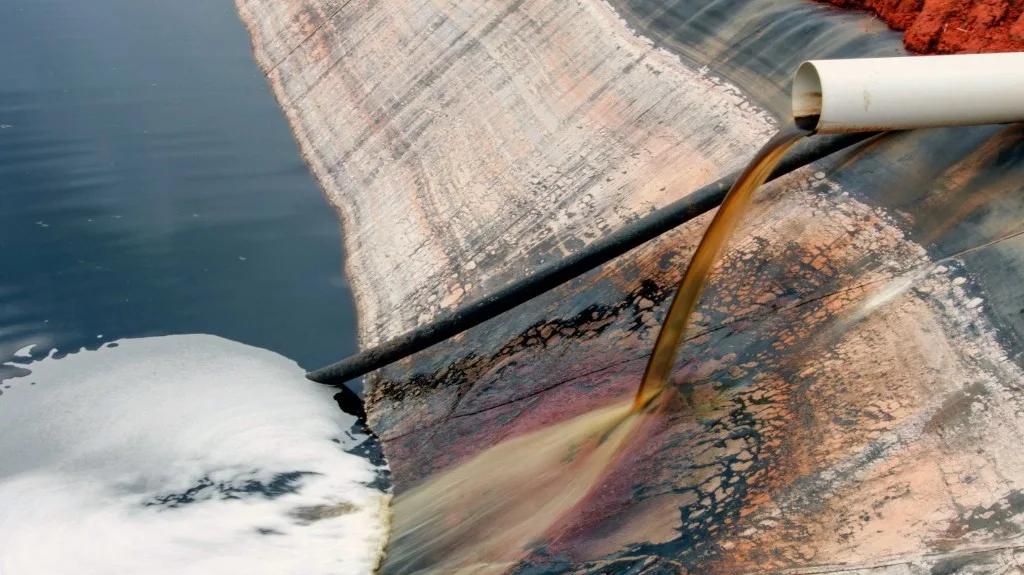
Leachate discharging from a pipe into a lined containment basin

Leachate and landfill wastewater

High-strength water from waste sites. Frequently the biggest disposal cost on the site, and a strong case for cutting volume rather than hauling it all away.

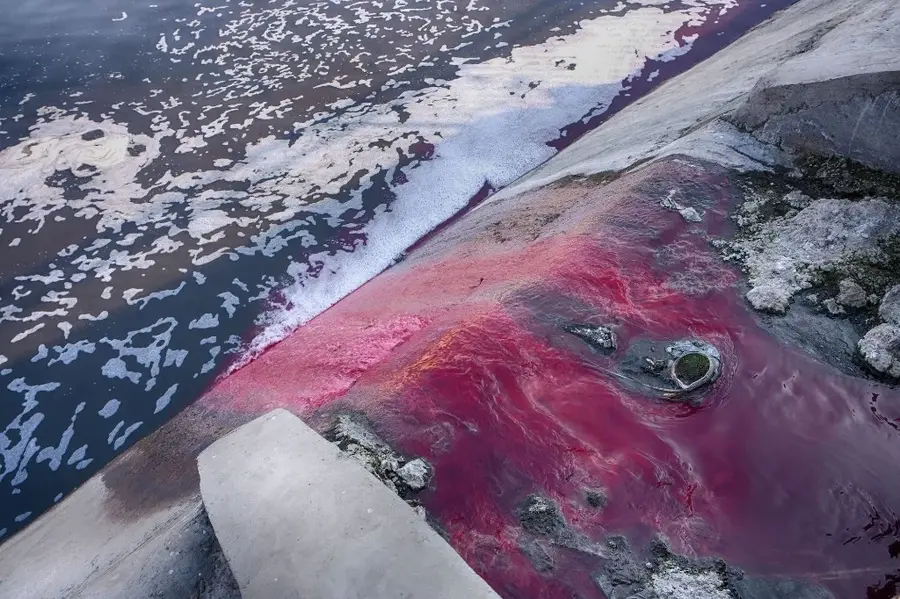
Bright red industrial wastewater flowing into a contaminated water body

Hazardous or classified waste streams

Chrome, solvents, heavy metals, or other constituents that legally require a licensed waste manager. Full elimination is not always realistic; reducing volume usually is.

Stream types vary by site and process. Volume and composition are always site-specific.

Realistic paths off tanker dependency

  • Is the problem volume, concentration, or one hazardous component?
  • Is there a sewer connection, and would treated water meet its limits?
  • Is there a reuse use on site, or is discharge compliance the realistic first step?

A site with no sewer faces a different problem than one with a connection it cannot currently meet. Both may pay a hauler, but only one can necessarily eliminate that cost through discharge compliance alone.

RouteVolume impactBest fit
Treat to sewer discharge limits, stop hauling entirelyHighBest first option where a sewer connection already exists
Treat and reuse in-process (CIP, cooling, cleaning)HighStrongest case where a genuine reuse demand already exists on site (see our water reuse page for hospitality sites)
Evaporation or concentration to cut volume hauledMedium to highFits hazardous or high-TDS streams where full elimination isn't realistic
Treat to a lower hazard classificationMediumShifts a stream to a cheaper waste category instead of eliminating haulage
Zero liquid discharge (ZLD) for closed-loop sitesHighWhere no discharge permit is achievable at all

Project examples: replacing tanker disposal with on-site treatment

Manufacturer-published examples from sectors we work in, not all brokered by Caskade, shown for context.

Camping and bungalow resort with circular showers and water reuse
Hospitality

Payback: 13 months

Camping & bungalow resort

Camping Úbeda S.L. · Úbeda, Andalusia, ES

Without sewer access, the site paid for wastewater disposal via tanker trucks → installed circular showers and centralised water reuse → payback in 13 months with more than 70% wastewater recovery.

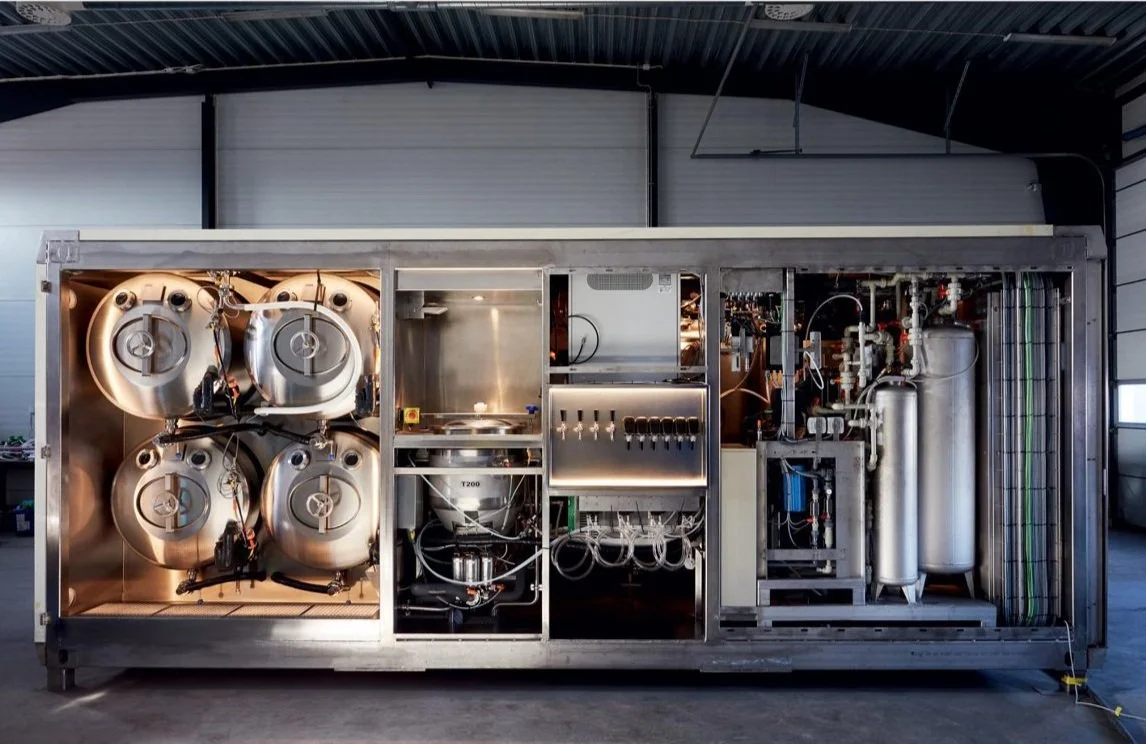
Compact on-site biological wastewater treatment at a food and beverage plant
Food & beverage

Outcome: direct discharge, no external disposal

Eliminating tanker costs with on-site biological treatment

A food and beverage producer moved from offsite disposal to permitted direct discharge. A compact on-site biological system was sized for variable, cleaning-driven loads. Result: consistent discharge compliance and the previous tanker cost eliminated.

Vacuum evaporation system recovering process water at an industrial site
Manufacturing

Outcome: up to 99% water recovery

Cutting disposal volume with vacuum evaporation

A manufacturer with high-salinity process water and rising disposal costs installed vacuum evaporation to recover water for reuse and shrink what still needed hauling to a small residual. Disposal volume cut to a fraction of the original.

The three regulatory paths, in plain terms

Discharge route: treat to meet a permit

If the goal is to stop hauling by meeting a sewer or environmental discharge permit, the limits depend on your local water authority. Usually the fastest route off tanker dependency where a connection already exists.

Reuse route: treat and use the water again on site

Using treated water for a new purpose on site (cleaning, cooling, irrigation) usually needs reuse authorisation, not just a discharge permit. Rules vary by country; we confirm what applies to your site.

Reduction path: cut what a licensed hauler still collects

Where full elimination is not realistic, the usual path is reducing the volume, and sometimes the hazard classification, of what a licensed waste manager collects. That still cuts the recurring cost.

How it works

We narrow the market, you make an informed decision

500+ specialised vendors

Caskade compares solutions from our network of 30+ vendors based on your site and effluent data

The best solution for your site

Caskade requests and evaluates 3+ proposals on cost and technology.

Analysis

The effluent

Contaminant load, volume, variability

The site

Existing infrastructure, connection points

Possible uses for reclaimed water

E.g. process recirculation or non-potable uses.

Evaluation

5+technologies
Membrane-based
Physical/Chemical
Bioreactors
Conventional Biology
(Advanced) Oxidation
30+manufacturers

500+ in our databases

Comparison

3+ indicative proposals from specialised manufacturers

Possibly with different reclaimed-water use cases and/or technology routes

Recommendation

The most cost-effective and robust solution for your site and effluent

Lease financing available in Spain.

GET YOUR COMPARISON

Get your comparison

What you receive

  • 3+ indicative proposals from specialist manufacturers, filtered for your site

  • A direct comparison of hauling spend against the treatment alternative

  • A documented recommendation you can defend with leadership and operations

  • The regulatory route that applies to your site: discharge, reuse, or reduction

Price

Free* if you can provide:

  • Your hauling or disposal invoices (for return calculations)

  • A laboratory analysis of the water (for equipment design)#

*Manufacturers pay. #If you do not yet have lab analysis, we arrange it for a fixed fee. See FAQ for full pricing.

What we need from you

Hauling or disposal invoices, water volume (m³/day or m³/month), any quality analysis, and a short process description.

Timeline

Typically ready a few weeks after we receive your invoices and water data.

Compare hauling spend against on-site treatment for your site

Send your hauling invoices, water volume, and any quality data you have. We return indicative proposals benchmarked against what you pay today.

FAQ

Frequently asked questions

Is on-site treatment only an option for sites without a sewer connection?

No. Some sites haul wastewater because they have no sewer connection at all; others have a connection but cannot currently meet its discharge limits, or the stream's classification requires a licensed waste manager rather than standard discharge. The right route differs between these cases, which is exactly what a site-specific comparison is for.

What if fully eliminating tanker haulage isn't realistic for our stream?

The more common outcome in that case is a large reduction rather than full elimination: an evaporation or concentration step that shrinks the volume a licensed waste manager collects, sometimes lowering its hazard classification too, which still cuts the recurring cost significantly.

When does zero liquid discharge make sense?

Zero liquid discharge (ZLD) makes sense where no discharge permit is achievable at all and the site must operate a fully closed loop. It is the most capital-intensive route, so it is usually justified only when discharge compliance and partial volume reduction have both been ruled out, or when the recovered water carries real in-process value.

Do we have to commit to a water reuse project to make this work?

No. Discharge compliance alone is a valid, and often the fastest, outcome. Reuse only makes sense where a genuine destination for the treated water already exists on site.

How long does it take to know if this would pay off?

The comparison itself typically takes a few weeks once we have your hauling invoices and effluent data. The payback period for the resulting system varies by site, but is often under three years where haulage volumes are high or frequent.

Does this apply outside Spain?

Yes. The economics (recurring haulage cost versus a one-time treatment investment) and the three regulatory paths apply anywhere. Specific permit rules vary by country; we confirm the applicable framework as part of the comparison.

How much does an Eval cost?

If you can provide your water invoices (so we can size the project and calculate the return) and a water analysis lab report, your Eval is free: the manufacturers we bring into the comparison pay us, not you. This typically applies to campsites, hotels, resorts, industrial laundries, retrofits of existing treatment plants and many industrial projects.

If you don't have a lab report yet, we arrange sampling and analysis as part of the Eval, at cost. Ask us for a quote.

Extended-scope projects (multiple sites, multiple effluent streams, tender specifications, financing documentation) carry fixed fees, which we share after a first call.

And on any paid Eval, we refund 50% of the fee when your project is installed through a manufacturer we introduced, within 12 months of delivery, for installations from 25,000 euros.